

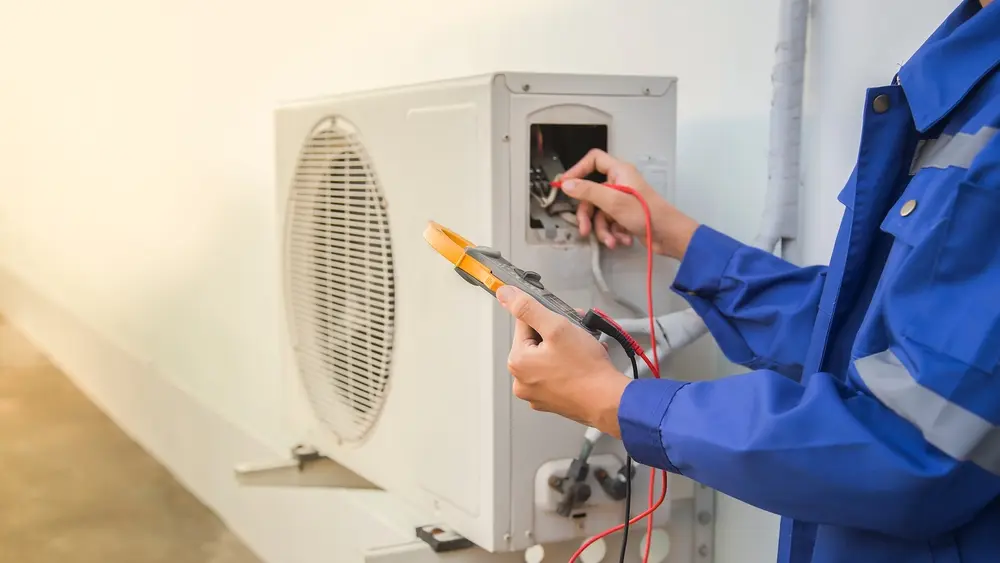
Southeast Michigan homeowners know how quickly the weather can shift. One week feels mild and comfortable, and the next brings sticky humidity, rising temperatures, and an air conditioner that suddenly seems less reliable than it did last season. If your system is getting older, struggling to cool evenly, or needing more frequent service, now is the right time to think through your options before summer heat makes the decision more urgent.
Should You Repair, Replace, or Upgrade Your AC in Detroit?
- Most air conditioners in Southeast Michigan last about 12 to 15 years before replacement becomes the smarter long-term option.
- If repair costs reach 50% or more of replacement cost, a new system often delivers better value, efficiency, and reliability.
- Warning signs include weak airflow, high humidity, rising energy bills, repeated breakdowns, and uneven cooling.
- Older Detroit homes may need central air, ductless mini-splits, or high-velocity systems, depending on layout, ductwork, and electrical capacity.
- Planning ahead before summer gives you more system choices, better scheduling flexibility, and less risk of a mid-season breakdown.
For some homeowners, the answer is a straightforward AC repair. For others, replacement is the better investment. And if you live in an older Detroit-area home without modern ductwork or with limited space for upgrades, the smartest path may involve a custom installation plan built around the structure of the home itself. The key is making the decision early, before the first serious heat wave puts you under pressure.
Why It Pays to Make an AC Decision Before Summer
Once the first stretch of hot, humid weather hits Metro Detroit, HVAC companies see a major jump in service demand. Repair schedules tighten, replacement appointments fill quickly, and homeowners are often forced to make fast decisions when comfort is already on the line. Planning ahead gives you more control over timing, system selection, and budget.
Taking action before peak summer can help you:
- Avoid emergency breakdowns during the hottest weeks of the season
- Choose from more system options before inventory tightens
- Schedule service at a more convenient time
- Take advantage of rebates, promotions, or financing opportunities
- Start lowering cooling costs sooner with a more efficient system
- Reduce the stress of making a rushed decision during extreme weather
In other words, early planning lets you solve the problem on your terms rather than in the middle of a summer emergency.
How Long Do Air Conditioners Last in Southeast Michigan?
Air conditioners in Michigan typically last around 12 to 15 years. Some systems may last longer with excellent maintenance, but Southeast Michigan weather is hard on HVAC equipment. Long humid summers, seasonal storms, winter exposure, and normal wear on coils, motors, and electrical components can all shorten the useful life of an older unit.
If your air conditioner is approaching or already past the 12-year mark, it is worth paying close attention to performance changes. Common signs that a system may be nearing the end of its reliable lifespan include:
- Frequent service calls or repeated part failures
- Weak airflow or uneven cooling from room to room
- Higher energy bills even after maintenance
- Grinding, buzzing, rattling, or other unusual noises
- Musty odors or stale-smelling air from the vents
- Trouble controlling indoor humidity
- Difficulty keeping up during hot Detroit afternoons
When multiple issues start showing up at the same time, the system is often telling you it is no longer operating as efficiently or reliably as it once did.
AC Repair vs. AC Replacement: How to Decide
Most homeowners eventually face the same question: should you repair your current air conditioner or replace it with a new system? The answer usually depends on the age of the unit, the cost of the repair, the efficiency of the system, and how well it is still keeping your home comfortable. Looking at all of those together can make the decision much easier.
When AC Repair Makes Sense
A repair is often the right choice when the system is still relatively young and the problem is limited in scope.
- Your air conditioner is under 10 years old
- The system still cools efficiently and evenly
- The repair cost is less than 50% of replacement cost
- The unit has been professionally maintained
- Breakdowns have been rare rather than repeated
If the issue is something smaller like a capacitor, thermostat, or isolated electrical component, professional AC repair may be enough to restore comfort and keep the system operating well through the season.
When AC Replacement Makes More Sense
Replacement tends to be the better long-term decision when the unit is older, more expensive to maintain, or no longer meeting your comfort needs.
- Your system is 12 years old or older
- The compressor or evaporator coil has failed
- Repairs have added up to more than $1,500 in the past two years
- The unit struggles on hot or humid days
- Your cooling bills keep rising season after season
- Indoor humidity stays high even while the AC is running
- Comfort is uneven throughout the home
An air conditioner replacement often gives homeowners better reliability, stronger energy efficiency, quieter operation, and more consistent comfort during Southeast Michigan’s hottest weather.
The 50% Rule
A useful guideline is the 50% rule. If the repair estimate is half or more of what a new system would cost, replacement is usually the smarter investment, especially if your current system is older or already out of warranty. While repair may cost less upfront, continuing to put money into a declining unit often leads to higher costs over time.
Quick Comparison: Repair or Replace?
What If You Live in an Older Detroit Home?
That repair-versus-replace decision gets more nuanced in older homes. Many homes in Metro Detroit were built long before central air conditioning became standard, which means adding or upgrading a cooling system may involve more than simply swapping out one outdoor unit for another. Whether you live in a 1920s Craftsman, a bungalow, or a brick colonial, the right solution depends on the home’s structure, available space, existing heating setup, and electrical capacity.
Older homes often come with installation challenges such as:
- No existing ductwork or limited ventilation paths
- Restricted attic, basement, or crawl-space access
- Outdated electrical panels or wiring
- Poor insulation and air sealing
- Historic preservation concerns or renovation limits
Those obstacles do not mean air conditioning is off the table. They just mean the system needs to be selected and designed with the home itself in mind.
Best AC Options for Older Homes in Metro Detroit
No two older homes are exactly alike, so the right cooling solution depends on how the home was built and what infrastructure is already in place. In many cases, homeowners in Southeast Michigan can choose from three strong options: central air, ductless mini-splits, or high-velocity systems.
Central Air Conditioning
If your home already has a furnace and usable ductwork, central air may be the most straightforward solution. It can provide even, whole-home cooling, improved humidity control, and dependable performance with a familiar system layout. Many homeowners with existing forced-air heating choose central air because it offers long-term reliability and strong day-to-day comfort.
Ductless Mini-Split Systems
For homes without ducts, ductless mini-splits are often one of the best solutions. These systems allow targeted cooling by room or zone, require less invasive installation, and work well in homes with plaster walls or limited renovation flexibility. They can also reduce energy loss associated with leaky ductwork and provide excellent efficiency in homes where central air would be more difficult to install.
High-Velocity Air Conditioning Systems
High-velocity systems are especially useful in historic or space-limited homes. They use compact, flexible ducts that can be routed through tight spaces with less disruption to the original architecture. For homeowners who want strong airflow while preserving the character of an older property, this can be an excellent middle-ground option.
The best choice comes down to your home’s layout, your comfort goals, your budget, and how much modification the structure can reasonably support. A professional assessment is the best way to determine which solution makes the most sense.
Step-by-Step AC Installation Process for Older Homes
Installing air conditioning in an older Detroit home takes planning and precision. The process should be built around the structure of the home, not forced into a one-size-fits-all approach.
- Home assessment: Evaluate structure, insulation, layout, and electrical capacity.
- System design: Build a system layout that fits the home’s architecture and airflow needs.
- Equipment selection: Choose the right unit type and size for the space.
- Electrical preparation: Inspect or upgrade wiring and panel capacity if needed.
- Installation: Install indoor and outdoor components, ducts if required, and controls.
- Testing and calibration: Verify airflow, refrigerant levels, and operating performance.
- Final walkthrough: Review the system with the homeowner and answer questions.
When done correctly, the finished installation should meet Detroit-area building codes, support efficient cooling, and preserve as much of the home’s original structure and character as possible.
How to Improve Efficiency Along With a New AC System
Whether you are replacing an aging unit or installing cooling in an older home for the first time, the project is also a good opportunity to improve energy efficiency. Many older homes lose conditioned air through drafty windows, under-insulated attics, and poorly sealed openings around doors, vents, and utility penetrations. Making even modest improvements can help your new system perform better and lower operating costs.
- Add attic or wall insulation where possible
- Seal air leaks around doors, windows, and vents
- Upgrade to more efficient windows if needed
- Install a smart thermostat for better temperature control
- Use ceiling fans to improve air circulation
These upgrades can make a noticeable difference in comfort, especially during long, humid Michigan summers.
How Much Does AC Replacement or Installation Cost in Detroit?
Air conditioner replacement in Detroit generally ranges from about $4,500 to $9,500 for many standard installations, depending on system size, equipment efficiency, and home layout. In older Detroit homes, where electrical upgrades, duct modifications, or specialized system designs may be necessary, installation costs can range more broadly, often from about $6,000 to $12,000. Ductless or specialty systems may cost more upfront but can offer better fit, easier installation, and long-term efficiency benefits in the right home.
The final cost depends on the home itself, which is why an in-person evaluation matters. Proper sizing, installation quality, and system design have as much impact on long-term value as the equipment price alone.
How a New AC System Can Pay Off
Whether you are replacing an older unit or adding cooling to a home that never had it, a properly selected system can deliver meaningful benefits:
- Lower monthly energy bills through improved efficiency
- Better humidity control during Detroit’s sticky summers
- More reliable performance with fewer surprise breakdowns
- Quieter operation indoors and outdoors
- Better room-to-room comfort and airflow
- Warranty protection on new equipment
- Improved resale appeal for future buyers
If your current unit still uses R-22 refrigerant, replacement is often even easier to justify. Because that refrigerant has been phased out, repairs involving it are typically more expensive and less practical than upgrading to a modern system.
Why Detroit Homeowners Choose Randazzo
Randazzo has been serving Metro Detroit homeowners for decades, and that local experience matters. Michigan homes vary widely in age, layout, insulation, and HVAC infrastructure, so choosing the right repair, replacement, or installation strategy requires more than a generic recommendation. It takes an understanding of how Detroit-area homes are built and how local weather affects long-term system performance.
Homeowners choose Randazzo because we offer:
- Local experience with Southeast Michigan homes, including older housing stock
- Certified and insured HVAC professionals
- Transparent pricing and honest recommendations
- Thoughtful system design that respects a home’s structure and character
- Warranty-backed work and ongoing support
The goal is not to push one option over another. It is to help you choose the right solution for your home, your budget, and your long-term comfort.
Make the Right AC Decision Before the Heat Arrives
If your air conditioner is newer, efficient, and facing a smaller repair, fixing it may be the right move this year. If it is older, increasingly expensive to maintain, or struggling to keep up with Southeast Michigan humidity, replacement is often the smarter investment. And if you live in an older Detroit home with limited ductwork or unique structural constraints, a custom installation plan may be the best path to reliable comfort.
The important thing is to make that decision before summer turns it into an emergency. Waiting until the hottest week of the year can leave you with fewer options and more urgency than you want.
Call Randazzo today at (586) 209-4268 or schedule your service online for a professional consultation. Whether you need AC repair, air conditioner replacement, or a custom installation plan for an older Detroit-area home, our team will evaluate your system, explain your options, and help you move forward with confidence.