


The arrival of winter in Michigan presents an opportunity to create a cozy, comfortable sanctuary within your home. However, the season often presents the challenge of bone-dry air, which can diminish your comfort and impact your health. If you’re ready to move past cracked lips, static shocks, and perpetually itchy skin, you’re in the right place. This comprehensive guide explains why your Michigan home lacks moisture every winter and how you can restore a perfect, comfortable balance using expert-recommended whole-house humidifier solutions.
Why Does My House Get So Dry in the Winter?
Understanding the cause of low indoor humidity is crucial to solving the issue. Your house gets dry in the winter primarily because cold Michigan air holds less moisture. Heating systems further reduce the air’s ability to hold water, and poorly insulated homes allow cold, dry air to infiltrate. Colder air physically cannot contain as much water vapor as warm air.
Even if the cold outdoor air has a high relative humidity, its absolute moisture content is low. When this cold, low-moisture air leaks into your home through gaps around windows, doors, and insulation, your heating system warms it up. As the air temperature increases, its capacity to hold moisture dramatically expands. Still, the actual amount of water in the air remains the same and causes the relative humidity to drop significantly.
Furnaces, especially those with forced-air systems, circulate and heat air quickly, which can contribute to the perception of dryness. This process can also create negative pressure that pulls more dry, outside air into the house through unsealed areas, worsening the problem.

Top 3 Benefits of Balanced Indoor Air
Maintaining optimal humidity levels provides several advantages, including the following:
1. Promoting Better Health
Proper airflow removes pollutants, allergens, dust, and mold spores, which can alleviate symptoms for people with asthma and allergies. Using a whole-house humidifier and air purifier together can create a more balanced and comfortable indoor environment by combining the benefits of both devices.
When your mucous membranes, the body’s natural filters, stay hydrated, they are more effective at trapping airborne irritants and supporting your natural defenses, which helps keep you feeling your best throughout the winter season.
2. Elevating Your Comfort
Balanced airflow distributes conditioned air evenly throughout a space, creating a more consistent and comfortable temperature. It ensures that air is moving properly, which helps eliminate drafts and stale air pockets. Better air quality also helps you get restful sleep by preventing nighttime coughing or the discomfort of a dry, irritated throat.
3. Enhancing Home and Building Preservation
Controlling indoor humidity levels through balanced airflow helps manage excess moisture, which is crucial for preventing the growth of mold and mildew. This protects the structural integrity of building materials, such as walls, ceilings, and foundations, as well as furniture, saving money on costly repairs in the long run.
Temporary Tactics vs. a Comprehensive Solution
Many Michigan homeowners rely on localized, temporary fixes that demand effort but offer limited, inconsistent results for the whole house. Some temporary dry air tactics homeowners often attempt include using multiple portable humidifiers, which require constant refilling and daily cleaning, leaving shower doors open after bathing, or boiling water on the stove.
While these offer brief, localized relief, they require high effort and cannot consistently manage humidity throughout an entire home. A seamless, long-term approach is a whole-house humidifier. This dry air humidifier solution integrates directly with your existing heating, ventilation, and air conditioning (HVAC) system. Once set to your ideal humidity level, which is often between 30% and 50%, it automatically and consistently maintains that balance across every room of your home, requiring minimal maintenance and maximizing comfort.
Whole-House Humidifier Types
When moving toward a whole-house solution, it’s beneficial to know the main types of whole-house humidifiers designed to work with your furnace. They include:
Bypass Humidifiers
A bypass humidifier, also known as a flow-through humidifier, adds moisture to the air in a home by using the existing furnace blower to pass warm air over a water-soaked panel. It’s a whole-house solution that is generally inexpensive, energy-efficient, and quiet, but it can only operate when the furnace is on.
Fan-Powered Humidifiers
Fan-powered humidifiers are whole-house systems that use a built-in fan to blow air across a wet panel, adding moisture to the air before distributing it through your home’s HVAC ducts. They are an effective choice for larger homes or those needing greater moisture output.
Steam Humidifiers
Steam humidifiers use electricity to boil water and release the resulting hot steam, increasing the moisture in the air of a home or a central air system. Unlike other types of humidifiers that may use a fan and a water panel, steam humidifiers boil water in a canister to produce a hygienic vapor that is then dispersed into the airstream.
Additional Expert Tips for Combating Dry Air
Besides using a humidifier, you can combat dry air in winter in these ways:
- Seal air leaks to maximize efficiency: A major contributor to indoor dryness is the infiltration of cold, outside air. Conduct a home energy audit or simply check around windows, doors, electrical outlets, and plumbing penetrations for drafts. Use weatherstripping on doors and windows, and caulk to seal smaller cracks. This approach keeps the cold, dry air out and prevents the precious humidified air from escaping, which dramatically improves the efficiency of your heating and humidifying systems.
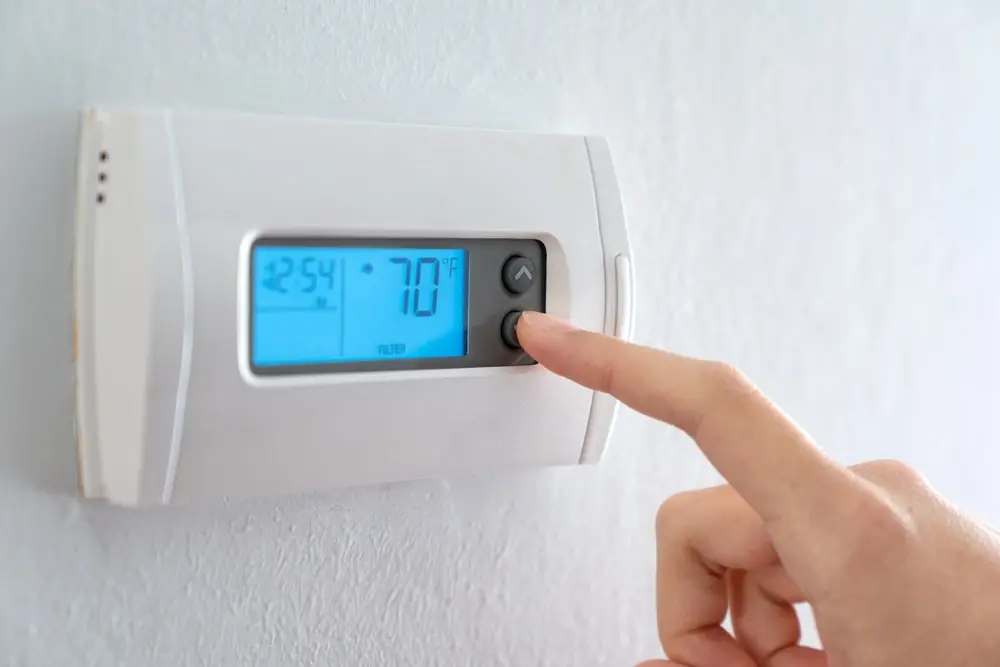
- Keep your thermostat consistent: While turning the heat down when you leave the house saves energy, it can worsen the dryness problem. Drastically fluctuating temperatures can lead to rapid changes in relative humidity, causing materials like wood furniture and flooring to contract and crack. Try to maintain a more consistent, moderate temperature throughout the day to stabilize indoor air conditions.
- Invest in indoor plants: Houseplants naturally release moisture into the air through a process called transpiration. Grouping several plants together can provide a small, localized boost of humidity and improve air quality in your home.
- Stay hydrated: Drinking plenty of water is a simple yet vital step. Dry air causes faster moisture evaporation from your body, so consciously increasing your fluid intake helps keep your skin, mouth, and nasal passages adequately hydrated.

Restore Comfort to Your Michigan Home This Winter
A professionally installed whole-house humidifier is a smart and effective way to address the widespread challenges of dry winter air. It provides the seamless, automatically regulated humidity control that elevates your living environment.
As a homeowner in Southeast Michigan, you deserve local expertise that understands the unique climate. Randazzo Heating, Cooling, and Electrical has the proven experience to assess your home’s needs and recommend the perfect system. We will expertly install the ideal humidifier for winter dry air, whether a bypass, fan-powered, or steam model, ensuring you enjoy consistent, perfect comfort all season long. We also provide emergency services, so you can count on us when your unit needs a fast repair.
Elevate your home’s climate and ensure lasting comfort. Call us today at 586-336-1111 or fill out our contact form to receive a free estimate for your whole-house humidifier and dehumidifier service.