

Like all appliances, your heating, ventilation, and air conditioning (HVAC) system will eventually reach the end of its service life. If you have had your system for a while, just bought an old home, or you find yourself calling the repair technician often, it is only normal to wonder if your system is on its last legs. In this article, we review the average lifespan of an HVAC system and the factors that influence its longevity.
HVAC System Life Expectancy at a Glance
Although they all form one system, the various components of your HVAC have different lifespans. Here is the average service period you can expect from each element:
- Air conditioner (AC): 10-15 years.
- Furnaces and boilers: 15-20 years.
- Heat pump: 10-15 years.
- Ductless mini-splits: 10-20 years.
- Ductwork: 60-100 years.
The actual lifespan of each component can exceed or even fall below these estimates, depending on several factors.
Key Factors that Affect HVAC Lifespan
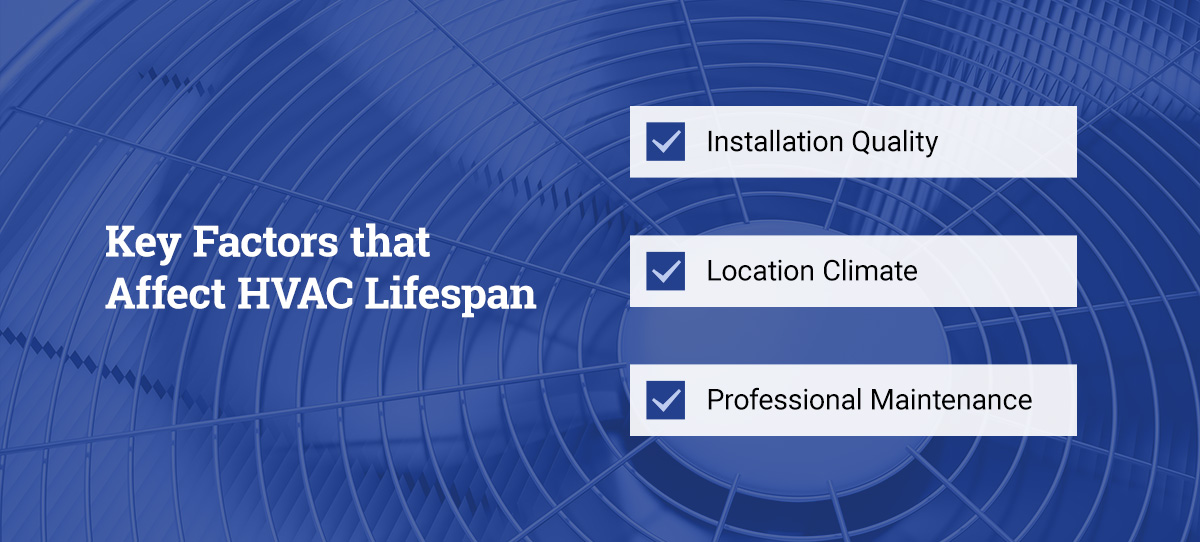
Let’s consider the several factors that influence the average lifespan of an HVAC system. Each are connected to the overall usage and care of your system.
Installation Quality
Partnering with the right HVAC company from the beginning can help save your system from premature failure. Incorrect installation can lead to inadequate airflow and compromised system performance. A company that doesn’t have an adequate team or that doesn’t have several years of experience could use the wrong fittings and sizing, which can impact system longevity and safety.
When installing a new HVAC system, remember to vet your technician. Verify their credentials, ensure they are licensed, and read what previous customers have to say about them.
Location Climate
Climate affects both the performance and durability of your HVAC system. Extreme temperatures can cause your system to work harder than it is designed to, contributing to accelerated wear and tear — especially in the continental climate of southern Michigan. Our hot and humid summers and freezing winters often require property owners to keep their HVAC systems running continually to maintain comfort. When you couple consistent runtime with demanding maximum performance, you have a system that naturally wears out faster.
To maximize how long your HVAC system lasts, consider enhancing the insulation in your space. Proper insulation can reduce heat escape in the winter while keeping the heat out in the summer. If you live in a dusty or dry area, opt for air purifiers and humidifiers to limit dust buildup and reduce strain on your system.
Professional Maintenance
Preventive maintenance can be the difference between prematurely replacing your system and it lasting beyond its average life expectancy. A system tune-up lets your technician catch more straightforward repairs before they become expensive breakdowns.
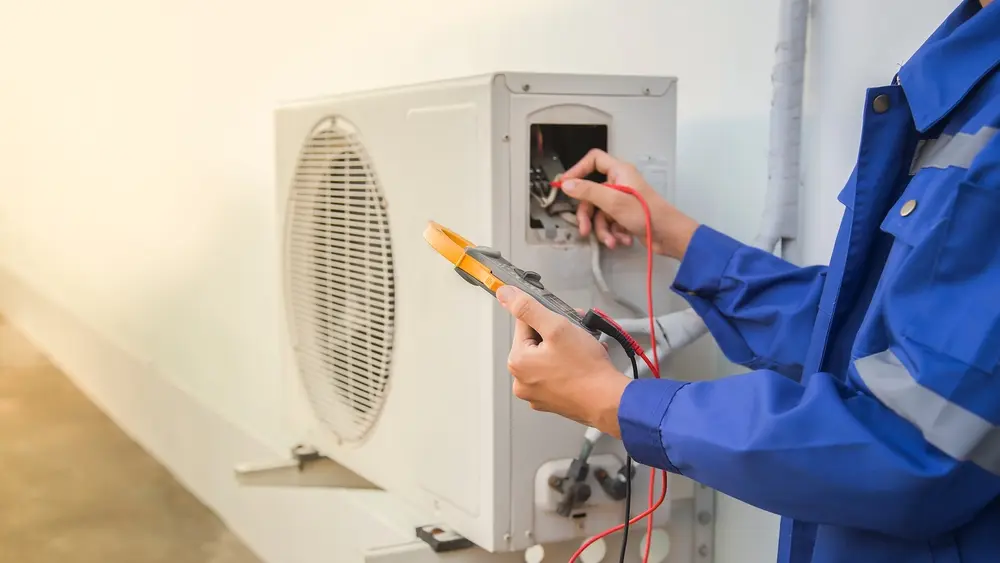
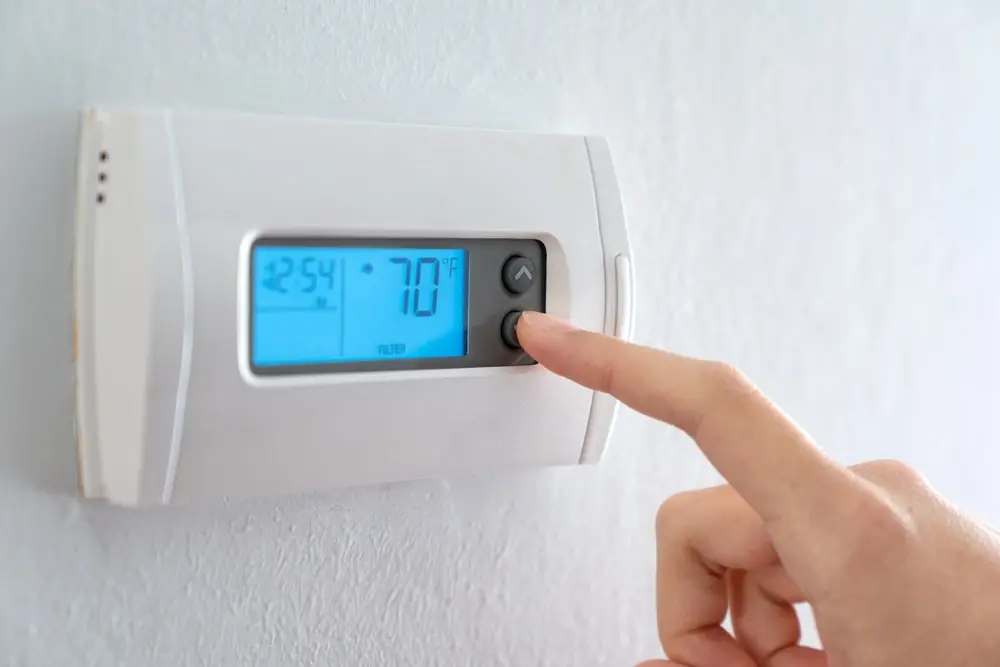
An air conditioning maintenance service will look into every component of your system to ensure optimal performance. They may inspect and replace air filters, recalibrate the thermostat, and readjust refrigerant levels. For heating maintenance, they can inspect and clean all critical components to ensure your system is not overworking, lubricate different moving parts, and assess airflow to help prevent uneven heating.
Top 5 Signs Your HVAC System Is Failing
There are several factors to consider when determining whether your system requires repairs or replacement.
1. Your System Is Over 15 Years Old
Age is a key indicator that it is time for a replacement. If your system is aging, it is likely significantly less efficient than modern options, resulting in higher monthly costs. Older systems may also lack the features required by today’s homeowners and smart home systems. Consider replacing it to enhance reliability and improve safety.
2. You Have Unusually High Energy Bills
If you notice an increase in your energy bill for the same usage period, this could be a sign that your system’s efficiency is declining. A decline in efficiency can indicate a need for either a replacement or a repair.
If your HVAC is only a few years old,It may need a repair or a tune-up. However, if your system has been regularly maintained but is nearing the end of its service life, you should consider a replacement.
3. You’ve Scheduled Several Repairs
When you find yourself scheduling a date with your HVAC company every month, it is time to invest in a replacement. A system that constantly requires repairs is unreliable, unsafe and expensive. If you are worried about financing an upgrade, partner with a company with an in-house finance team.
4. Your Indoor Temperature Is Inconsistent
Spotty heating or cooling in your home may indicate several issues, including a faulty thermostat, blocked vents, or a deteriorating HVAC system. You may also notice sticky air, indicating humidity issues and an increase in dust. There is no clear-cut diagnosis method for any of these issues. A technician can help you determine the actual cause and recommend the best course of action.
5. You’ve Noticed Odd Noises or Persistent Smells
Unusual noises or recurring bad smells are classic signs of a system needing repair. Rattling and banging could mean loose components or hissing, leaking refrigerant. A musty smell can indicate bacterial or mold growth.
Some signs, such as a burning electrical smell or a rotten egg smell, can indicate serious issues with your system. Evacuate the property immediately and call for help. A gunpowder or burning electrical smell is a sign of an overheating motor or fire, while a sulfur smell strongly indicates a gas leak.
A Property Owner’s Guide to HVAC Depreciation
Much like a vehicle loses value the moment it drives off the lot, HVAC depreciation refers to the loss of value that the system experiences as it is used. One of the major causes of the decline in value is wear and tear. Understanding the depreciation life of your HVAC system helps you budget for the eventual replacement when the time comes.
Long-term homeowners generally cannot claim this drop in value as a tax deduction. For those who own residential rental properties, the IRS uses the Modified Accelerated Cost Recovery System (MACRS), which allows businesses to recover the total cost of the asset over a specified period of 27.5 years. If you intend to file for any deductions on your HVAC’s depreciation life, remember to keep a clear paper trail, maintenance logs, and invoices each year to help with your filing.
Critical Disclaimer: Please note that this article is for educational purposes only. If you need actionable information on tax deductions for your office or residential rental property, we advise consulting a qualified tax professional.
Your Trusted HVAC Partner in Southeast Michigan
When your HVAC system is aging, you need to work with a team you can trust. Since 1988, Randazzo Heating, Cooling, and Electrical has been helping Michigan residents bring lasting comfort to their homes.
As a Lennox Premier dealer, you count on us to provide the highest value at the best prices. With our highly trained in-house installers, we often offer same-day installations. Request a free estimate from our team today and discover how we can assist you in replacing your HVAC system. If you need financing options, check out our current offerings and rebate options.
Join Randazzo Air Care to save on annual maintenance and help prolong the service life of your system.